Hub – Crew Meals: Hangry Crew

Crew Meals: Because No One Likes a Hangry Crew by Luis Rafael Hurtado. #24/0147.

October 6, 2024 · 2 min read


Crew Meals: Because No One Likes a Hangry Crew

Never underestimate the power of keeping your crew well-fed. Seriously, if you think serving them half-hearted sandwiches is going to cut it, think again. Great-tasting food translates into a happy crew, and guess what? A happy crew means fewer mutinies, fewer complaints, and a captain who isn’t breathing down your neck. It’s like a magical recipe for peace on the high seas. And yes, this extends to the owners, who might just thank you for not having a grumpy crew knocking on their cabin door.

If you actually want to succeed in this industry, here’s a pro tip: show the same enthusiasm for crew meals as you do for that meticulously plated lobster bisque you whipped up for the guests. And no, I’m not saying you need to serve filet mignon with a side of gold flakes at lunch (although, who wouldn’t love that?). But let’s at least pretend the crew deserves food that doesn’t resemble something you’d serve at a prison cafeteria.

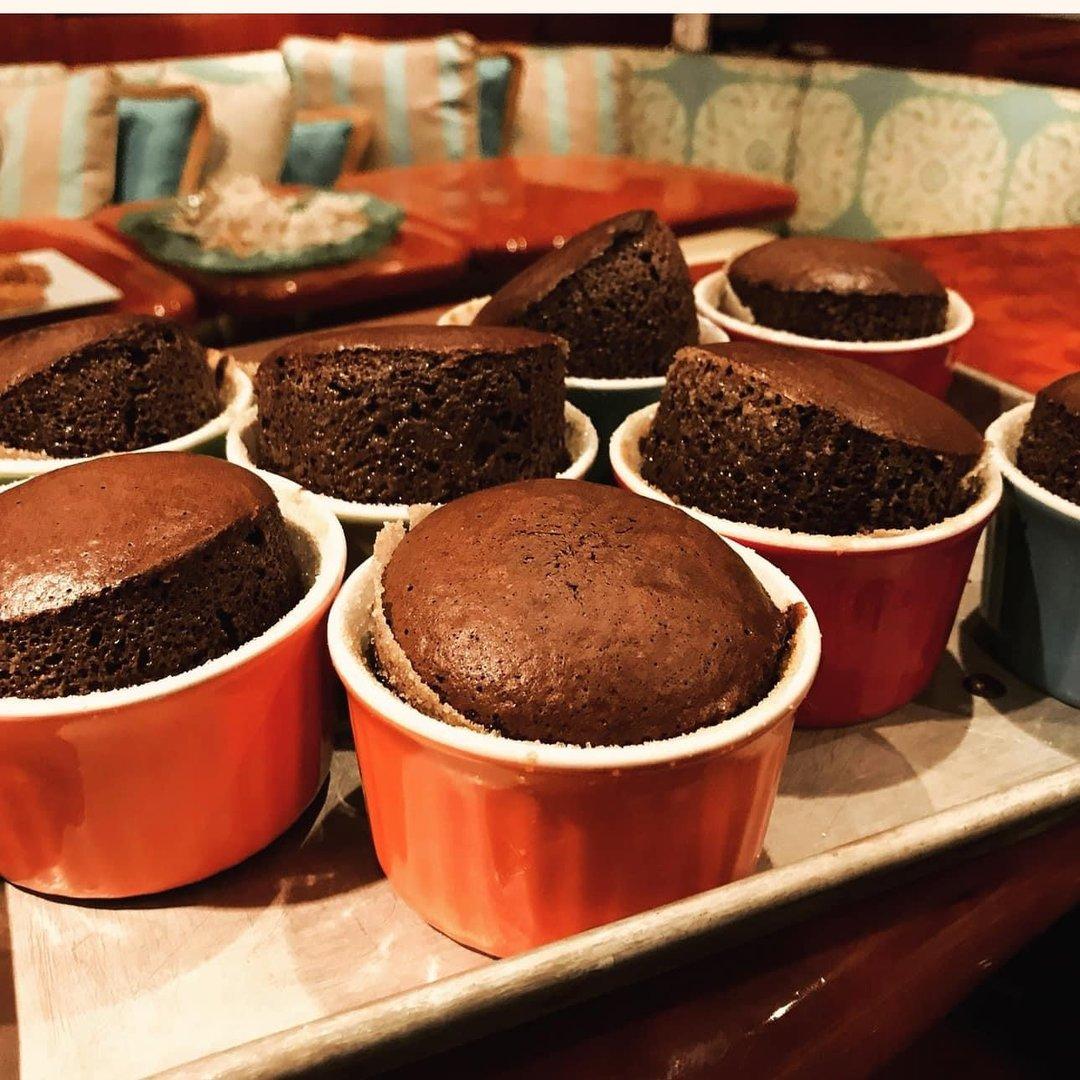
Believe it or not, chefs have lost jobs over this. Yes, really. Because, shocker, it turns out that if you consistently treat the crew’s meals like an afterthought, word gets around. How many times have you heard, “Yeah, they make a killer soufflé, but their crew meals? Total garbage.”? Reputation is everything, folks.

Remember, your food says a lot about you—not just as a chef, but as a human being. So, if your crew is staring at their plates wondering what they did to deserve this culinary punishment, maybe it’s time to reassess. Because hangry crew members? They’re just one step away from staging a kitchen coup.

Hub – Dementia, Diabetes, Alzheimer’s

Good morning! Dementia, Diabetes, Alzheimer’s by Luis Rafael Hurtado. #24/0144.

October 5, 2024 · 1 min read


Good morning!

Dementia, Diabetes, Alzheimer’s—these modern-day diseases don’t just sneak up on us; they’re the result of inflammation, fueled by processed sugar and a sedentary lifestyle we’ve subconsciously embraced. But here’s the good news: it’s reversible, or even better, avoidable! The solution? Start today by taking shots—no, not tequila—of pure ginger, turmeric, green apple, jalapeño, and lemon! Juice your greens like it’s your new religion, say no to all forms of sugar, and drastically reduce alcohol. And, yes, practice safe sex—because believe it or not, it has healing powers! Also, get rid of everything (and everyone) that’s just taking up space and not adding value to your life. The human body has an incredible ability to heal itself; we just need to give it the right tools. Take action now, and you’ll thank yourself later!

The time is now cabrones! Have a great weekend!

Hub – José Andrés: The Chef Who’s Feeding the World

José Andrés: The Chef Who’s Feeding the World While the UN Decides What’s for Lunch by Luis Rafael Hurtado. #24/0145.

October 5, 2024 · 4 min read


José Andrés: The Chef Who’s Feeding the World While the UN Decides What’s for Lunch

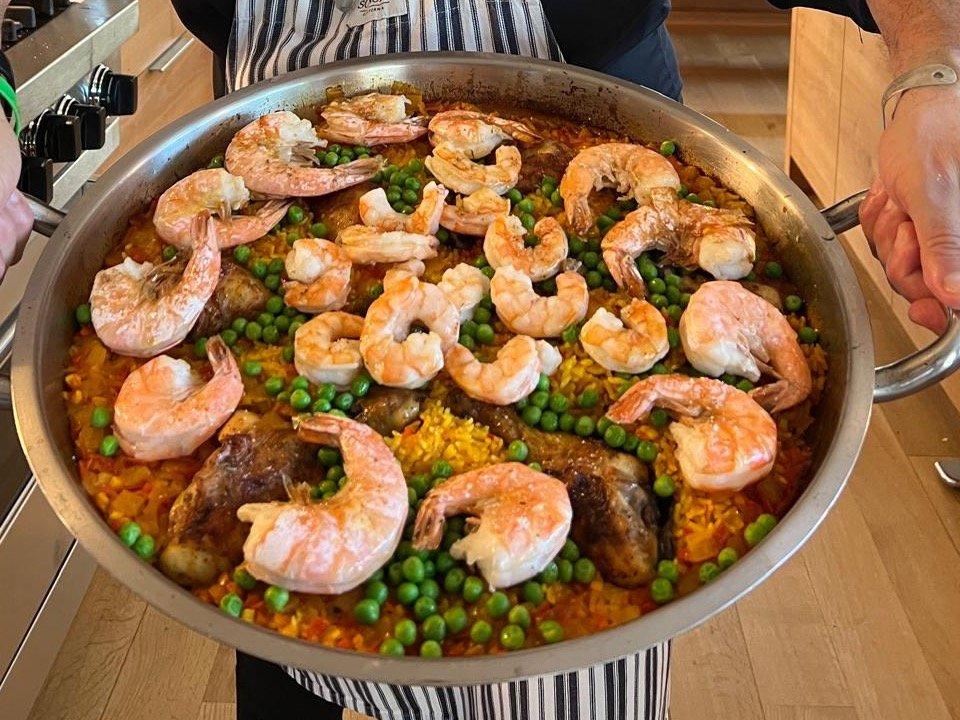
Move over, UN. There’s a new global superhero in town, and he’s not coming to shake hands, give speeches, or pose for awkward group photos. He’s coming with a paella pan and enough chorizo to feed a small country.  José Andrés, the Spanish chef with a heart as big as his portions, is doing more for humanity than a room full of diplomats ever could. While the United Nations is busy drafting resolutions no one reads, José is rolling up his sleeves, whipping up some gazpacho, and feeding the world—literally.

Feeding People vs. Talking About Feeding People

Let’s start with the basics. The UN has a committee for everything—world hunger, poverty, climate change, probably even one for figuring out how to pronounce quinoa. But what’s their strategy? Organize endless meetings, take years to make decisions, and maybe, just maybe, release a statement. Meanwhile, “José Andrés”is like, “Oh, there’s a natural disaster? Cool, I’ll be there in 24 hours with a food truck and a smile.”

His nonprofit, World Central Kitchen, has fed millions of people after hurricanes, earthquakes, and wildfires. And here’s the kicker—he’s not just handing out sandwiches. This man is out there cooking gourmet meals in disaster zones! People are getting calamari in the middle of a crisis. Take that, UN! Last we checked, no one’s lining up for a plate of bureaucracy with a side of red tape.

While the UN Discusses Solutions, José Andrés Is Serving Them

It’s a classic move. Something terrible happens, like a hurricane or earthquake, and the UN rushes in with—you guessed it—another meeting.  After several days of “strategizing,” they announce a plan to announce another plan. José Andrés? He’s already got five pop-up kitchens set up and is flipping tortillas like he’s got no time for politics (because, spoiler alert, he doesn’t).

When the world was hit with the COVID-19 pandemic, what did the UN do? You guessed it—more meetings! José? He turned restaurants into community kitchens, feeding frontline workers, families, and pretty much anyone with an appetite. While the UN debated which color ties to wear for their Zoom calls, José was out there handing out meals like a benevolent food wizard.

Disaster Diplomacy: José Andrés Style

If the UN really wanted to solve world hunger, they should hand over the keys to José Andrés, His disaster diplomacy is simple: go where people are hungry, cook food, feed them. No speeches, no committees, no waiting for world leaders to approve the plan. Because let’s be honest—when was the last time a UN resolution ended with a freshly grilled octopus?

When Hurricane Maria devastated Puerto Rico, the UN sent, you guessed it, thoughts and prayers (and some logistical support). Meanwhile, José Andrés was on the ground serving 3.7 million meals in the time it takes for the UN to find the “reply all” button. He even wrote a book about it, “We Fed an Island” because apparently, saving the world with food wasn’t enough. He had to rub it in too.

José Andrés: The Real Global Leader

Forget secretary-generals. We need head chefs running this world. José Andrés doesn’t wait for approval or international permission slips. He just shows up, does the work, and leaves a trail of well-fed, grateful humans in his wake. The man is a one-man NGO. And he’s doing it with a smile and some of the best food you’ve ever seen in a disaster zone. Think about it—while the UN sends out a three-page press release, José is grilling fresh seafood on the shores of some hurricane-ravaged island.

The United Nations? More Like the United… Maybe Later

The UN loves to talk about the big problems: world hunger, climate change, disaster relief. They spend millions on conferences, summits, and speeches where world leaders give dramatic nods but very little actual help. José Andrés? He doesn’t have time for that. He’s too busy changing the world with a ladle in one hand and a spatula in the other.

And here’s the thing—José isn’t just helping; he’s inspiring. While diplomats are reading long-winded reports, he’s turning volunteers into kitchen warriors. He’s proving that food is more than just fuel—it’s a force for good, a way to rebuild communities, and, quite frankly, a lot more satisfying than whatever the UN’s serving.

José Andrés for Secretary-General?

At this point, we should just hand over the UN to José Andrés. Let him run it like one of his kitchens—fast, efficient, and with a flair for the dramatic. Instead of endless debates, we could have a global paella cook-off. Imagine world leaders discussing peace over a steaming pot of arroz con pollo. I guarantee you things would get solved a lot quicker if there were tapas involved.

Conclusion: When in Doubt, Follow the Chef

So, while the UN continues to pat itself on the back for issuing another statement, “José Andrés” is out there saving lives with a frying pan. He’s proving, day by day, that sometimes the best way to solve global problems isn’t through bureaucracy and endless debate—it’s through action, compassion, and a little garlic. If the UN wants to stay relevant, they might want to take some cooking lessons from José.

Because at the end of the day, you can’t eat a resolution. But you can definitely enjoy some of José’s world-saving paella.

And there you have it! Hope this brings a smile to your face while capturainge José Andrés’ incredible impact. 😄

Hub – Erica Lay‘s Weekly Column 04/10/24

Yacht Gossip: Part 2. With Courtesy of Erica Lay & The Mallorca Bulletin. #24/142.

October 4, 2024 · 4 min read


https://www.majorcadailybulletin.com/holiday/life-style/2024/10/04/127783/yacht-gossip-mallorca-part-2.html

Erica Lay owner of EL CREW International Yacht Crew Agency http://www.elcrewco.com/

erica@elcrewco.com

Yacht Gossip: Part 2

Discover the funny, bizarre, and unforgettable moments yacht crews face while ensuring memorable guest experiences

One evening, a guest requested a “glow-in-the-dark” paint party on the deck

One evening, a guest requested a “glow-in-the-dark” paint party on the deck.

Well our last foray into the weird and wonderful world of requestswas so well received we figured we’d do another one! So buckle up for round two of the sort of stuff yacht crew have been dealing with this summer all over the world …

More Eccentric Guest Requests

The Iceberg Request: While cruising in cold waters, a guest requested that the crew bring an iceberg on board so they could have their drink “on the rocks.” The crew, ever resourceful, carved a chunk of ice from a nearby glacier and presented it on deck, much to the delight and amusement of the guest, who enjoyed their drink with a literal piece of nature in it.

The Skydiving Extravaganza: An adventurous guest requested an impromptu skydiving session over the ocean. The crew arranged for a professional skydiving team to join them at the next port, and the guest had the thrilling experience of jumping from a plane and landing on a designated spot on the yacht’s deck. The crew watched in awe and amusement as the guest made a dramatic entrance. Thank God they didn’t miss!

On-Board Antics

The Costume Ball: A guest decided to throw a spontaneous costume ball and insisted that the crew join in the fun. With limited resources, the crew got creative, using bed sheets, kitchen aprons, and whatever else they could find to fashion makeshift costumes. The sight of the crew mingling with guests in their DIY outfits added a hilarious and charming touch to the evening.

The Missing Guest: One guest had a penchant for playing hide and seek, but without informing anyone. The crew spent an entire afternoon searching for the guest, only to find them comfortably napping in a hidden storage compartment. The guest found the whole situation amusing, while the crew had a mix of relief and laughter.

Fishing for Fun: During a fishing trip, a guest requested to catch a fish with their bare hands, a task easier said than done. The crew set up a shallow area with netting to increase the chances of success. After several humorous attempts and lots of splashing, the guest finally caught a small fish, leading to a triumphant and laughter-filled moment. Thankfully the chef was not asked to cook it.

Memorable Parties and Events

The Karaoke Catastrophe: A guest threw a karaoke party and insisted that everyone, including the captain, participate. The captain, not known for his singing abilities, delivered a hilariously off-key rendition of a popular song, which became the highlight of the night. The crew and guests bonded over the shared laughter and unforgettable performances.

The Paint Party: One evening, a guest requested a “glow-in-the-dark” paint party on the deck. The crew covered everything with protective sheets and set up UV lights. Guests donned white clothing and splattered each other with neon paint. The colourful chaos was a hit, and the sight of everyone glowing under the UV lights made for a vibrant and funny spectacle. The clear up was not quite so much fun though….

The Waterslide Adventure: A particularly fun-loving adult guest asked for the inflatable waterslide to be set up from the upper deck into the ocean. Not for the kids, for the grown-ups. The crew obliged, and the sight of adults gleefully sliding into the sea turned the yacht into a floating water park. The event was filled with laughter and splash-filled fun, creating a memorable day for everyone on board.

Culinary Quirks

The Giant Sandwich: A guest once requested the largest sandwich the chef could make. Rising to the challenge, the chef created a gigantic beast of a thing – never challenge a chef, you will always lose! The guests were evidently delighted at the colossal creation, and the crew had a great time watching them guest tackle the giant meal – and put in a request, so the chef had to make more for them.

The Personalised Cocktail Challenge: During a cocktail party, a guest challenged the stew tending bar to create a personalised cocktail for each guest based on their personality. She rose to the occasion, crafting unique and whimsically named drinks that captured the essence of each guest. The humorous descriptions and surprising flavour combinations kept everyone entertained. And apparently earned the crew a decent tip!

The Chocolate Fountain Incident: At a dessert buffet, a chocolate fountain became the unintended centerpiece of a series of misfortunate events when it was set on too high a speed. Guests trying to dip various items ended up with chocolate splatters everywhere. The crew had a good laugh but had to quickly clean up the chocolate-splattered deck and guests, who took the messy fun in stride.

These additional stories highlight the unexpected, amusing, and sometimes downright absurd situations that yacht crew members encounter. Their ability to adapt, improvise, and find humour in these moments is a testament to their dedication to ensuring guests have a memorable and enjoyable experience on the high seas.

Hub – IN LIKE FLYNN

In Like Flynn. The Legend of Errol Flynn. An Article by Gregory C. Y. Piatkowski. #24/0143.

October 4, 2024 · 3 min read


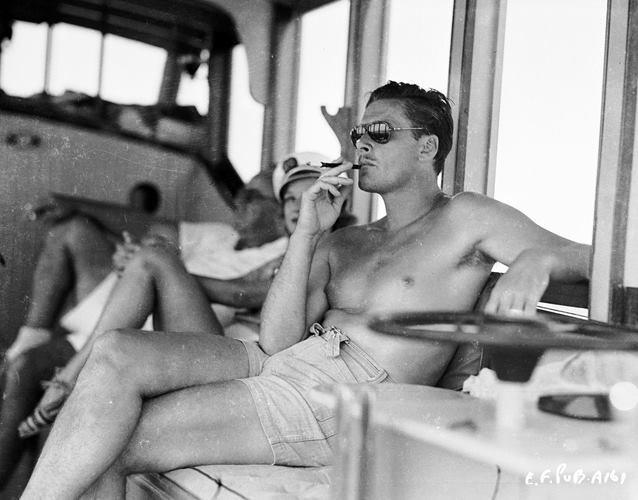
69 years ago: Errol Flynn returned to his “ZACA” in September 1955. The 118-foot schooner had been moored at the Real Club Náutico de Palma since 1952. Once a celebrated screen pirate and Robin Hood, Flynn was now a fading star in Hollywood. However, despite his decline, his charisma remained intact. Wherever Flynn went, attention followed. His reputation as a wild rogue, paired with an undeniable elegance, continued to draw people in. Even as his finances crumbled, he maintained the air of a free spirit who roamed the seas like an old buccaneer in his own realm.

Between film productions, Flynn sought refuge on his yacht in Palma’s bay. The “ZACA” wasn’t just a vessel for Flynn – it was his sanctuary, a symbol of freedom and independence. The towering sails that caught the wind reflected the adventurer’s spirit that never truly left him. On board, away from the turmoil of Hollywood, Flynn could still be the hero he once portrayed on screen.

He avoided the United States, partly due to outstanding tax debts. His fortune was embezzled by accountants, and his marriage to Patricia Wymore was in ruins. Meanwhile, his box office hits from the 1930s and 1940s were now reaching Spanish cinemas, bringing Flynn a delayed wave of fame on the Iberian Peninsula. In Spain, Flynn wasn’t just seen as an actor – he was viewed as a symbol of a bygone Hollywood era, one of romance, adventure, and heroism. In Palma, for some, he was a hero, while for others, he was a tragic figure.

Flynn was a regular at “Joe’s” on Plaza Gomila and Rudi’s “Tirol” on Calle de Apuntadores – legendary hangouts known for their raucous gatherings. His image as a playboy and womanizer overshadowed other aspects of his life, including his political convictions: Flynn had visited Spain in 1937 during the Civil War, where he commented on the conflict from the Republican side. His passion for freedom fighters resurfaced in 1958, much to Hollywood’s dismay, when he produced The Cuban Story: The Truth about Fidel Castro’s Revolution – a unique documentary of Cuba’s transformation. For Flynn, the fight for freedom wasn’t just a role – it was a deeply held belief.

In his diary entry from October 8, 1955, in Palma de Mallorca, Flynn wrote:

“(…) Favourite occupation: A prolonged bout in the bedroom.

The greatest calamity: Castration.

What would I like to be at seventy? At seventy, I confidently hope I will have had at least eight more wives, have grown a stomach that I can regard with respect, and still be able to walk upstairs to the bedroom without aching or groaning.”

This mix of humor and melancholy reveals Flynn’s self-awareness about his fading youth and vitality. While he joked about future wives and a “respectable” belly, there’s an underlying fear of the physical decline of a man once known for his vitality and presence. The adventurer who had conquered Hollywood was now facing the inevitable signs of aging.

On October 14, 1959, while negotiating the sale of his beloved “ZACA” in Vancouver, Errol Flynn died of a heart attack at the age of 50. Even in his final years, he remained a figure of fascination, with his life oscillating between legendary escapades and quiet, personal struggles.

Hub – Life’s Lessons, Served Hot in a Bowl of Soup

Life’s Lessons, Served Hot in a Bowl of Soup by Luis Rafael Hurtado. #24/0141.

October 3, 2024 · 2 min read


Life’s Lessons, Served Hot in a Bowl of Soup

Dear crew,

If there’s one thing I believe we should all learn early in life, it’s how to make a good soup. Yes, you read that right—soup! You see, soup is more than just a meal; it’s the gateway to understanding the beautiful process of critical thinking. Don’t believe me? Think about it.

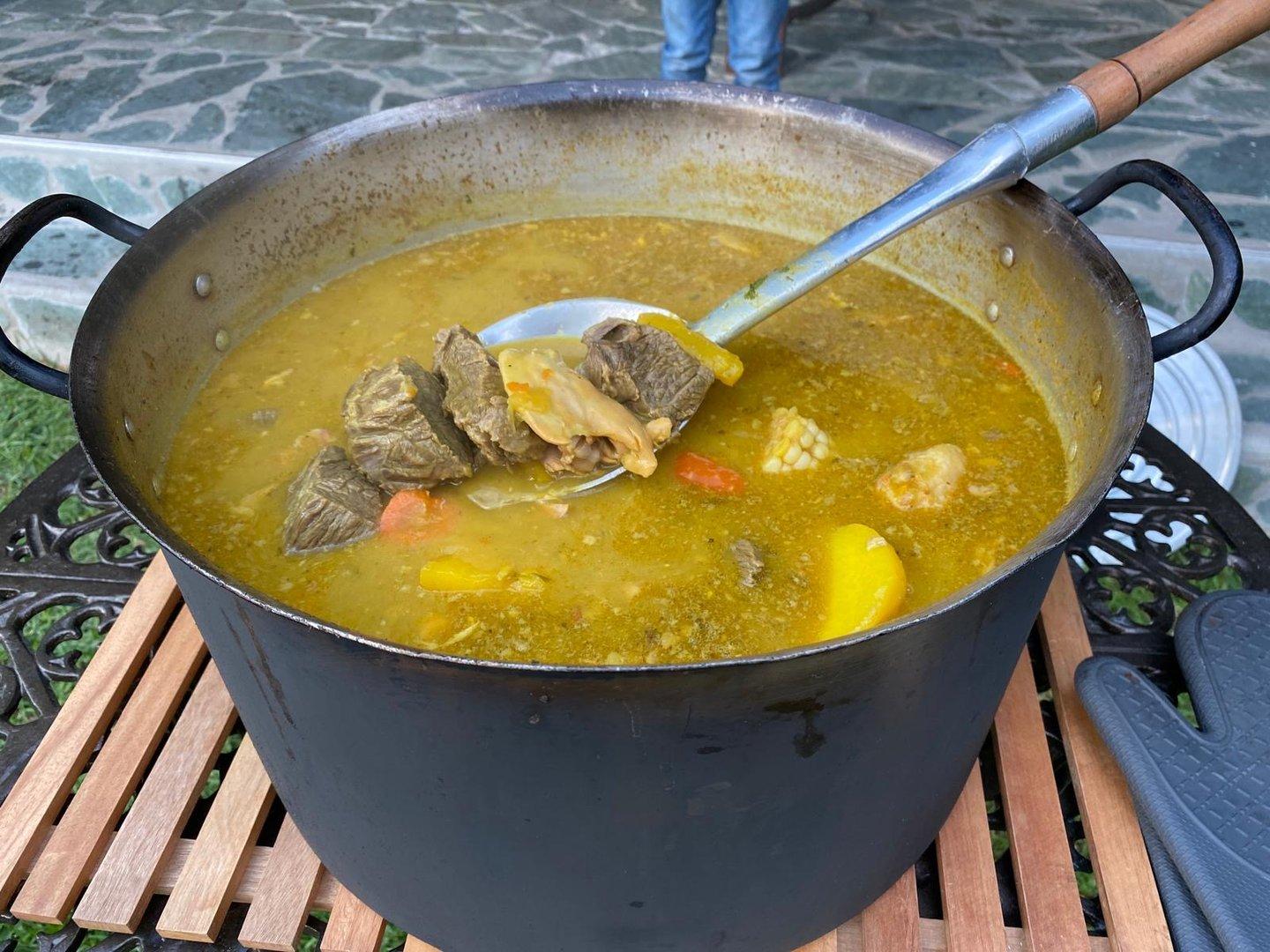
Soup is one of the simplest, most profound creations. You start with basic ingredients—some vegetables, a little seasoning, maybe a stray chicken leg if you’re feeling fancy—and from this humble beginning, you transform it into something nourishing, comforting, and healing. Soup delivers subliminal messages of love in every spoonful, like a hug for your stomach! It has the magical ability to transport us back to childhood or evoke memories of home, holidays, and the people we cherish.

All you need to make soup is good intentions and the will to throw things into a pot. With simple, affordable ingredients, soup welcomes everyone, no matter their budget. It’s democratic, inclusive, and oh-so forgiving.

And here’s the best part: the soup you make tells you a lot about who you are. Are you a “throw in all the spices” kind of person or a “less is more” minimalist? Do you follow recipes to the letter or add a dash of chaos to the pot? Learning to make a good soup is a sure sign you’re on the right track to success and, dare I say, to a harmonious life.

So, next time you find yourself staring at a pot, wondering if you have what it takes, remember—if you can make soup, you can do anything.

Yours in broth and wisdom,

Chef Raffie

Hub – Last of Mallorca’s Monk Seals: A Lost Mediterranean Legacy

Monk Seals: A Lost Mediterranean Legacy. An Article by Gregory C. Y. Piatkowski. #24/0139.

October 2, 2024 · 2 min read


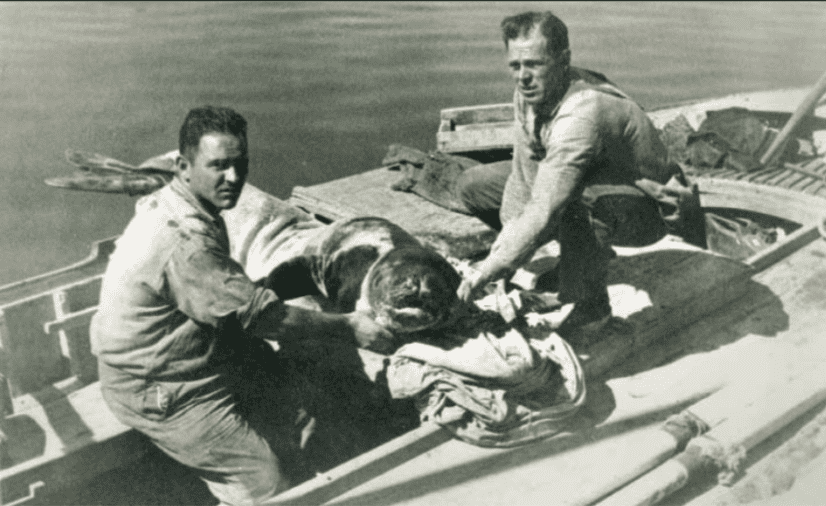
66 years ago in April: In Cala Tuent, the Guardia Civil killed what was likely the last Mediterranean monk seal (Monachus monachus) on Mallorca. These marine mammals once populated the entire coasts and islands of the Mediterranean as part of a balanced ecosystem. This balance shifted with the territorial expansion of another predator: humans. As early as Homer, Plutarch, and Aristotle, the seal was mentioned in ancient writings. Its fur, fat, and meat were highly prized, and due to its trusting nature, the animal was easy to hunt. The fall of the Roman Empire in the 5th century initially halted its early extinction in the western Mediterranean. Along Mallorca’s coasts, pirate raids discouraged human settlement for centuries, while the seals used these areas undisturbed as natural breeding grounds, and their colonies flourished. The end of piracy in the 19th century also marked the end of the monk seal colonies on Mallorca. Fishermen increasingly settled the coasts, and fishing became a thriving industry. The monk seal, which feeds exclusively on fish and mollusks, became a bitter enemy of the fishermen: it stole their easy catch and tore apart their fishing nets. The people of that time saw the seal as a pest that needed to be exterminated. Archduke Ludwig Salvator described their hunting by the islanders in 1870: “Let us consider seal hunting. Normally, you would encounter two, four, or five monk seals, swimming and playing in the water for a while, until one of them crawls onto the shore. At that moment, the hunter fires. Sometimes the animal dies instantly, but at other times it can escape into the sea; the hunter must be prepared for this and close the entrance to the cave with a strong net… the seal lifts its body out of the water, and at that moment the hunter shoots it again… They also catch the monk seal with a strong hook tied to a durable rope.”

On the North African coast and in the Greek Aegean, some colonies have survived to this day. On the Balearic Islands, however, the “Vellmarí” is considered extinct. All monk seals…? In 2008, a diver spotted one near El Toro in the southwest of Mallorca. However, marine biologists believe it was an African individual that had migrated.

Hub – Sous Chef Nightmare

Sous Chef Nightmare: The Legend of Consuelo, Culinary Disaster Extraordinaire by Luis Rafael Hurtado. #24/0137.

October 1, 2024 · 4 min read


“Sous Chef Nightmare: The Legend of Consuelo, Culinary Disaster Extraordinaire”.

Ah, the joys of running a VIP venue for the world’s most important people—where everything must be perfect, where timing is key, and where the food must not just taste good, but should sing, dance, and perform an opera on your tongue. Naturally, when I needed a sous chef for such an event, I didn’t just want someone competent. No, I wanted someone who could practically *levitate* over the stove while creating Michelin-star masterpieces. Enter **Consuelo**—the woman who, in theory, was about to make my life a breeze. Spoiler alert: *theory* is where all the good stuff stayed.

### The Phone Call: A Symphony of Lies

It all started with the phone interview. You know those moments when you think, “This is too good to be true”? Yeah, that was Consuelo. On the phone, she was the culinary equivalent of Beyoncé: multitasking goddess, menu designer, restaurant owner, administrative wizard, and, most importantly, someone who could “run the whole show.” A miracle, right? Sent from the gods of gastronomy to bless my kitchen.

She talked like she’d designed menus for royalty. She assured me she knew her way around any kitchen blindfolded and could whip up a soufflé with one hand tied behind her back. She spoke fluent “kitchen”—terms like *mise en place* and *reduction* flowed from her lips like poetry. I’m thinking, *Wow, this is it. She’s the answer*. Boy, was I wrong.

### When Consuelo Arrived: The Plot Twist

Consuelo showed up at the venue, and from that very moment, my confidence crumbled faster than a stale croissant. I handed her the menu, smiled, and asked her to start setting up for service. You know, nothing crazy—just the *basics*. Well, turns out, Consuelo’s version of *basic* was to stand there like a deer in the headlights, staring at the kitchen like it had suddenly transformed into a NASA control room.

When I say she was running in circles, I mean that quite literally. The woman was sprinting from station to station, flailing her arms around like she was reenacting some sort of interpretive dance routine. “*Mise en place*?” I asked her, trying to keep calm. She blinked at me like I had just spoken to her in Klingon.

“Mise what?” she asked, holding a paring knife upside down and gripping a tomato like it was about to explode.

### Chaos in the Kitchen: Cirque du Consuelo

For those unfamiliar, **mise en place** is a simple concept. It means “everything in its place.” It’s basically Kitchen 101: chop your onions, measure your ingredients, have everything ready so when service starts, you’re not running around like a lunatic. But for Consuelo, it might as well have been nuclear physics.

The only thing she placed in that kitchen was pure, unfiltered **chaos**. I swear, at one point, I saw her try to *boil* butter. Butter! There she was, stirring it like she was about to make soup. Then, when I asked her to make tea, I half-joked that she’d probably burn the water.

Turns out, I wasn’t kidding. I didn’t even know it was possible to scorch water, but Consuelo found a way.

### The Grand Finale: I’ll Just Do It Myself

It became clear, about 10 minutes into this culinary disaster, that I had two options: fire Consuelo on the spot and attempt to save the kitchen myself, or let her continue and watch the world burn. Being the responsible, well-adjusted person I am, I chose the former. So, while Consuelo continued her one-woman kitchen circus, I swooped in to save the day, chopping vegetables, sautéing, and assembling dishes faster than I ever thought possible.

I was a one-man kitchen army while Consuelo looked on, occasionally stirring something that didn’t need stirring and asking every five minutes if the oven was on. I even saw her try to fry something in a pot of cold oil at one point. *Cold. Oil.*

Six hours later, service was done. Plates were served. The VIPs were fed (thank God), and I was ready to collapse. But it wasn’t over. Oh no. You see, Consuelo—our culinary genius—came over with a smile and casually asked for her pay.

Four. Hundred. Dollars. For what was essentially a six-hour audition for the role of “most chaotic sous chef on the planet.”

### Moral of the Story: Seeing Is Believing

So, what’s the moral of this story, dear readers? Don’t believe anything anyone says on the phone. I don’t care if they tell you they’ve cooked for the Queen of England or personally taught Gordon Ramsay how to swear. Until you see them in action—*in person*—assume they don’t know a paring knife from a hammer. Because while Consuelo talked a good game, when push came to shove, she was about as useful in the kitchen as a waterproof teabag.

Next time, I’ll be hiring based on one simple criteria: can they boil water without setting off the smoke alarms? And if they start running in circles, I’ll just ask them to dance… and call for backup.

0

0

Published on October 1, 2024


Luis Rafael Hurtado

Hub – Unemployed Crew Lifestyle

Unemployed Crew Lifestyle: From Dumpster Diving to Delusions of Grandeur by Luis Rafael Hurtado. #24/0133.

September 28, 2024 · 3 min read


Unemployed Crew Lifestyle: From Dumpster Diving to Delusions of Grandeur

Welcome to the thrilling world of unemployed yacht crew life—a glamorous existence where dreams are as dried up as that two-week-old Chinese takeout sitting in the crew house fridge. Picture it: a bunch of adults huddled around a mystery container, trying to decide if that grayish lump is General Tso’s chicken or something that once lived under the bed.

When you’re jobless and broke, the standards drop faster than a deckhand’s dignity after a night out. Lunch? That’s whatever survived the last crew house apocalypse, usually some petrified slice of freezer-burned pizza that could double as a weapon. “Is it edible?” becomes more of a suggestion than a question.

But then, like a fairy tale straight out of the twisted minds of the Brothers Grimm, the phone rings. The magic words: “You’ve got a job on a superyacht!” Suddenly, our intrepid crew member is transported from ramen noodles and bargain-bin beer to a world of champagne and caviar.

And just like that—poof!—a miracle occurs. The person who, just days ago, would’ve inhaled a stale bagel they found behind the couch now has a laundry list of food allergies and dietary preferences. Shellfish? Only if it’s hand-dived. Gluten? They break out in hives at the mere thought. Vegan, but only if it’s plant-based without the plants. Yes, you heard that right.

It’s like watching a creature evolve at lightning speed, transforming from a scavenger who’d wrestle a rat for the last piece of pizza to a food critic who expects their avocado toast to be served on a slab of hand-quarried marble. “Oh, is this tuna sashimi not from Japan? Sorry, I can’t eat this. It gives me hives.” Really, Brad? Last week you ate a sandwich you found under the couch cushion.

And let’s not even get started on the demands they unleash on the poor yacht chef. The same people who once lived on gas station burritos and ketchup packets are now sending back dishes because the sous-vide lobster wasn’t cooked “just right.” They want their kale massaged, their quinoa fluffed, and their eggs coddled like a newborn baby. They’ll whine over wine pairings, lecture about lactose, and critique the coffee with the intensity of a sommelier grading a 1982 Bordeaux.

And heaven forbid you serve something that doesn’t fit their new, self-imposed “lifestyle.” One wrong move and they’ll be in the captain’s office, complaining about how the chef “clearly doesn’t understand my needs” and how “this is just not the standard I’m used to.” Right, because they’ve *totally* become accustomed to a life of artisanal goat cheese and truffle oil in the three days since they stopped eating cold fries off the floorboard of a friend’s car.

In short, the moment they step on board, they become living proof of the old adage: money changes everything. They morph into self-proclaimed connoisseurs, forgetting the days when their “diet” consisted of whatever they could scrape together from a takeout menu and the questionable leftovers in the fridge.

So, to all the chefs out there dealing with these prima donnas: we salute you. May you have the patience of a saint and the skill of a magician. Because while they may have left behind their crew house days, the entitlement they’ve picked up along the way seems here to stay.

Bon appétit, and good luck—you’re going to need it!

Hub – Erica Lay‘s Weekly Column 15/08/24

America’s Cup: Origins & History – Part One. With Courtesy of Erica Lay & The Mallorca Bulletin. #24/131.

September 25, 2024 · 4 min read


https://www.majorcadailybulletin.com/holiday/life-style/2024/08/15/126635/mallorca-magnificent-yachts-head-barcelona-for-the-america-cup-competition.html

Erica Lay owner of EL CREW International Yacht Crew Agency http://www.elcrewco.com/

erica@elcrewco.com

America’s Cup: Origins & History – Part One, 1851 – 1992

The trophy holder (the defender) sets the terms of the competition

The 12 Metre yacht Freedom

1903 America’s Cup: Reliance (left) and Shamrock III (right) before the race.

Photo: Wikipedia

With the highly anticipated America’s Cup starting just over the road in Barcelona on August 22nd, here in Mallorca we’re seeing some magnificent yachts heading over to join the spectators of one of the most incredible sporting spectacles on the sailing calendar. So, what’s it all about? The America’s Cup, recognised as the peak of yacht racing, is more than a sailing competition; it reflects human ingenuity, determination, and the pursuit of excellence on the seas. In short: it’s a big deal. As one of the oldest international sporting trophies, the America’s Cup has a history spanning over 170 years, highlighting the evolution of maritime technology and competitive spirit. And sometimes, as we’ll see, that spirit is fighty…

The America’s Cup dates back to August 1851, when the Royal Yacht Squadron of Great Britain organised a race for the Hundred Guinea Cup around the Isle of Wight. The schooner America, representing the New York Yacht Club, sailed to victory against a fleet of British yachts. This triumph not only secured that trophy, known as the “Auld Mug,“ for the United States but also set the stage for a new era in competitive sailing. The victory of the America was a significant achievement, as it demonstrated the superiority of American yacht design and sailing prowess at a time when Britain was considered the dominant force in maritime affairs.

The unique structure of the America’s Cup, where the trophy holder (the defender) sets the terms of the competition and the challenger must accept these conditions, has contributed to the event’s appeal and complexity. This format has led to intense rivalries and dramatic races, as challengers strive to outsmart and outmanoeuvre the defending champions. Over the years, this dynamic has spurred significant advancements in yacht design, sailing techniques, and materials. And also some lengthy court cases and disagreements!

From the 1920s, the defender and the challenger yachts have been determined through elimination trials. There’s only ever one challenger and that country/yacht is decided upon in the Challenger Selection Series which takes place before the main race.

Both yachts must be designed, built, and equipped (as much as is possible), within the country they are representing. Originally, the rules of the America’s Cup presented several challenges for the competing yachts. One significant rule, which was not removed until 1956, required challengers to sail to the competition site on their own hulls, necessitating a heavier construction compared to the defenders which was a bit of an unfair disadvantage for the challengers! The competition format was a best-of-seven series of races until 1995, whereupon it changed to a best-of-nine series which ran until 2007.

In the early days, races were all about the wealthy sportsmen who owned these 20-27m yachts, this really peaked in the 1930s with the infamous J Class yachts (such as the British Endeavour, and the American Velsheda). World War II slowed things down significantly and after twenty years with no challenge, the New York Yacht Club made some changes to allow the new 12m class to compete. Despite the name, no measurement on these yachts was actually 12 metres; the “12” referred to a complex mathematical formula used in their design. Between 1958 and 1987, each race took place on a six-leg, 24-mile (39-kilometre) course.

One of the most notable periods in the America’s Cup history was the long reign of the New York Yacht Club, which successfully defended the trophy 24 times from 1857 to 1983. This remarkable streak was broken by the Australian yacht Australia II from the Royal Perth Yacht Club, which introduced a revolutionary winged keel design that gave it a decisive edge. The victory of Australia II not only ended the longest winning streak in the sport (and actually in any sport, ever) but also marked a turning point, inspiring greater international participation and innovation.

The next race, in 1987, saw the Americans win the cup back but no longer under the New York Yacht Club – this time it was down to the San Diego Yacht Club. One year later in 1988 things got heated. The race between the Americans and the challengers New Zealand ended up being decided in the courts and the result from this dispute was a revamping of the rules for the races.

In 1990 the 12m class made way for the International America’s Cup Class which continued until 2007. These yachts all had to be designed to the same formula, some typical stipulations included length of 25m, weight of 24 tonnes, 35m mast, plus sail surface areas were specified.

And that’s all we’ve got time for this week! Tune in next week to hear about the modern America’s Cup story, from 1992 up to present day.