Yoga and Recovery: How Supplements Accelerate Healing. #24/0223.
December 17, 2024 · 2 min read
Did you know that combining yoga with the right nutrition can significantly shorten your recovery time after physical exertion?
For yacht personnel, physical fitness and rapid recovery are particularly important, as work onboard often involves long days and intensive physical activities. Yoga has proven to be an effective method to increase flexibility, reduce stress, and aid in body recovery.
The Importance of Yoga for Recovery
Yoga combines physical exercises with breathing techniques and meditation, leading to holistic body recovery. According to a study by Harvard Medical School, yoga can lower cortisol levels—a stress hormone that can slow down recovery. Additional benefits of yoga for recovery include:
Improved Circulation: Certain yoga poses enhance blood flow to muscles and organs, allowing nutrients to be transported more efficiently.
Increased Flexibility: Regular stretching makes muscles more supple, preventing injuries and supporting recovery.
Mental Balance: Yoga reduces stress and anxiety, positively affecting overall health and recovery.
How Supplements Accelerate Recovery
In addition to yoga, proper nutrition and targeted use of supplements can further enhance recovery. Especially for yacht personnel working under demanding conditions, supplements can help compensate for nutrient deficiencies.
Minerals: Magnesium and calcium are essential for muscle relaxation and function. Deficiencies can lead to cramps and delayed recovery.
Trace Elements: Zinc, iron, and selenium support the immune system and energy metabolism, crucial for swift recovery.
Vitamin D: Promotes muscle function and contributes to a healthy immune system, improving recovery after physical exertion.
To maximize your recovery, FitLine Restorate Citrus offers an ideal solution. This product combines high-quality minerals and trace elements like calcium, magnesium, iron, zinc, selenium, copper, manganese, chromium, and vitamin D.
Rich in Zinc: Contributes to normal acid-base metabolism and supports normal fertility.
Supports Metabolism: Zinc contributes to normal carbohydrate and fatty acid metabolism.
Boosts Immune System: Rich in vitamin D, which contributes to normal immune system function.
Exclusive Nutrient Transport Concept (NTC®): Ensures optimal absorption of nutrients in the body.
Conclusion
Combining yoga with targeted supplementation can significantly accelerate recovery—a crucial advantage for yacht personnel facing high physical demands. By incorporating FitLine Restorate Citrusinto your daily routine, you’ll be well-prepared for the next challenges on board.
We are thrilled to celebrate the 10-Year Anniversary of Sunshine Yacht Services St. Barths!
November 29, 2024 · 1 min read
Celebrating 10 Years of Sunshine Yacht Services St. Barths!
Dear All,
We are thrilled to celebrate the 10-Year Anniversary of Sunshine Yacht Services St. Barths!
With over 30 years of living on the island, we pride ourselves on being a truly local agency. Our extensive network of trusted contacts, reliable suppliers, and skilled island personnel ensures we deliver top-notch service. Resourceful, professional, and fair—we’re here for you 24/7.
As an owner-operated business, you will always deal directly with Marion Perry Balland, who brings unparalleled local expertise and a personal touch to every interaction.
• No hidden charges.
• No unnecessary fees.
• Just honest, transparent, and friendly service—by yachties, for yachties.
Thank you for choosing us and for being part of our journey!
To help you with your application and answer any questions you may have, we present our comprehensive guide: “The A to Z of B1/B2 Visas”. With Courtesy of James van Bregt & ESTELA SHIPPING. #24/0182.
The transatlantic yachting season is coming and crew recruitment remains hot. The Med season has seen a shortage of experienced crew, so those with B1/B2 visas are in especially great demand right now.
If you don’t have yours already and are hoping to winter in the Americas, West Indies and the Caribbean, here’s what you need to know…
The ‘B1/B2’ visa
Non-immigrant visas for entering US territory temporarily are classified ‘B-1’ for business, ‘B-2’ for pleasure, or ‘B-1/B-2’ for a combination of both. Valid for up to 10 years for stays of up to six months, it is not specifically designed for yacht crew, but it is the most appropriate class of visa for the industry, says the US State Department.
NB. DO NOT apply for the C-1 crewmember visa, as this is designed for other seafarers.
Work restrictions
Following a COVID-era tweak to the rules, non-US crew can work on foreign or US-flagged yachts in US waters, though NOT employed directly by a US employer or on a US-registered payroll. US taxation laws for foreign nationals are a world of pain anyway, so this is always best avoided in any case.
Note that working, or accepting a job, while in the US on a holiday visa (B-2) is illegal and will get you deported if caught. This is technically also the case throughout the EU, though is generally not enforced. The US is less forgiving, so should you happen to be offered a job on board while ‘vacationing’ in the country, you will need to leave the US as a tourist (B-2) and re-enter as a worker on your B-1 visa, with the relevant boat papers. You may register with crew agencies, etc, while on holiday, but you can not officially accept the job while in the country as a tourist; you must exit first.
Unlike in the EU, you may not technically step off one foreign-flagged boat in US waters and join another back-to-back. It is a grey area that is best avoided by exiting the US and re-entering with fresh boat papers and the commensurate documentation.
How to apply
Complete the application form (DS-160) and make an appointment at your nearest US embassy or consulate. In our case, in Palma de Mallorca and Barcelona, we use Madrid. COVID has created a severe backlog and reduced availability of appointments, so it can be worth trying other embassies if you have no joy in Madrid. The complete list of consulates is here: https://travel.state.gov/content/travel/en/us-visas/visa-information-resources/list-of-posts.htmlwhile official appointment waiting times can be found here: https://travel.state.gov/content/travel/en/us-visas/tourism-visit/visitor.html. While published waiting times for appointments can be extremely long, it is possible for seafarers to request an urgent appointment at the end of the online application process.
NB. It is crucial in your application to establish that you do not intend to abandon your residence abroad, as per rule 9 FAM 402.2-5(C)(5) (U) of the Foreign Affairs Manual. Usually, this will be ongoing property/residential ties, family ties, bank accounts and ongoing payments, car papers, and any other permanent connections to your country of residence.
Pay the non-refundable application fee of US$185. For some nationalities, additional fees can apply.
Print the application form and payment confirmation, and bring them with you to the appointment, as well as your passport (valid 6+ months beyond your stay) and two passport photos that meet the required format. Also bring any and all available supporting documentation showing the purpose of your visa application, such as boat papers, Seaman’s Book, employment letter or contract, yacht itinerary, proof of seafaring work history, future travel planned/booked and, importantly, proof that you can afford all expenses for the duration of your visit. If you have an old passport that shows a problem-free travel history (ie. no revoked visas or overstays, etc), bring that too. If in doubt, get an agent to check your documentation.
It is not necessary to have a job lined up to apply for a B1/B2, but it can help. If you happen to be joining a commercial charter yacht, it’s an idea notto volunteer the name of the yacht, or at least, request an offer letter that doesn’t mention the boat’s commercial status. By letter of the law, “Yacht crew who will provide services on board a recreational vessel and who are able to establish that they have a residence abroad which they do not intend to abandon, regardless of the nationality of the yacht, are classifiable B-1”. In other words, the B-1 is aimed at crew on private vessels. Even though ‘commercial yachts’, as we say in yacht-speak, are considered private, it’s worth avoiding any confusion.
Success in an individual assessment can never be guaranteed, of course. Should you somehow be denied at the first attempt, it is possible to reapply, but it’s best to be over-prepared than fall short of the requirements. Bring everything with you; from all the official forms and documentation to photos of your pet animals staying behind. The US is convinced that all foreigners want to move there, so it’s down to you to disabuse them of that conviction.
After the interview
Of course, an important consideration is how long it will take the embassy to issue the visa, if approved, particularly if you need your passport for travel in the meantime. Within the Schengen Area, you may be able to travel with only a recognised ID card, if you have one, though ideally you will want to retain your passport to return to the boat or place of residence while you wait.
Not all US embassies require B1/B2 visa applicants to leave their passports behind after the interview, though most do. Whether or not you are required to leave your passport behind will depend on the specific embassy or consulate where you are applying for your visa. Check the website of the embassy or consulate to find out their specific requirements.
If you must leave your passport behind, you will typically be able to pick it up within a few days or weeks, once your application has been processed. Some embassies may offer to courier the passport back to you, hopefully with the visa granted.
If you are unable to leave your passport behind, you can request an exception, though these are not always granted. To increase your chances of success, stress the urgency and importance of your visa requirement, and be super polite. And bear in mind that you will need to return to collect it.
Here are some tips for dealing with the passport requirement:
Check the website of the embassy you are applying to, to find out their specific requirements well in advance
If you must leave your passport behind, consider your accommodation and/or travel arrangements to and from the embassy
If you are unable to leave your passport behind, contact the embassy or consulate to request an exception (ask very nicely!)
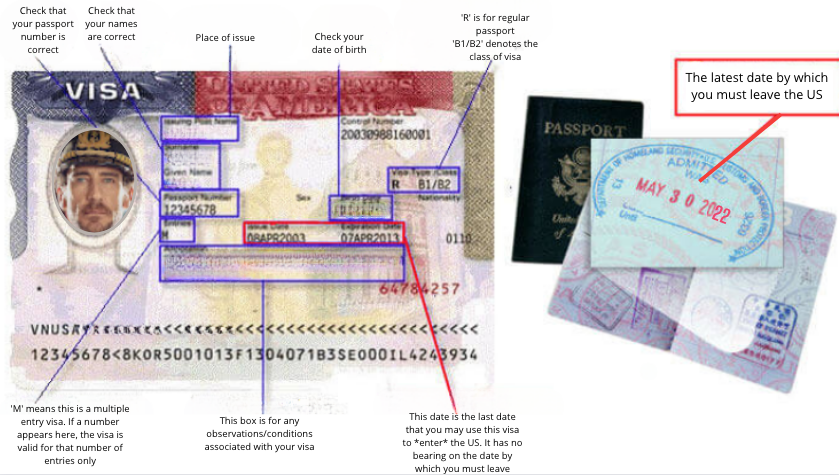
**Check your visa thoroughly to ensure that all details are correct**
Annotations
For reasons best known to themselves, some US visa officers will sometimes annotate the visa, stipulating the name of the boat for which the B-1 visa is valid. Should you be unfortunate enough to encounter an unhelpful official who inserts such an annotation — in the comments section underneath the issue date on the visa — this means that you will be unable to join any other boat with this visa and will require a new one before travelling to the US for another vessel. Anecdotally, officials in Madrid are particularly keen on this annotation, so we would recommend interviewing elsewhere. If you have experienced similar elsewhere, please do tell us at palma@estelashipping.net.
If in any doubt about the application process, the documentation required for the interview and the interview itself, it is explained in these useful Youtube videos by GrayLaw solicitors in California. They are not specifically aimed at yacht crew, but they are extremely clear and will help you navigate the process:
If you don’t already have a contract, but are job hunting, it’s a good idea to print out some job advertisements from some recruiters’ websites (not social networks) listing a B1/B2 Visa as a requirement for the same type of jobs you are applying for. (hat tip to Lars Molin for this suggestion!)
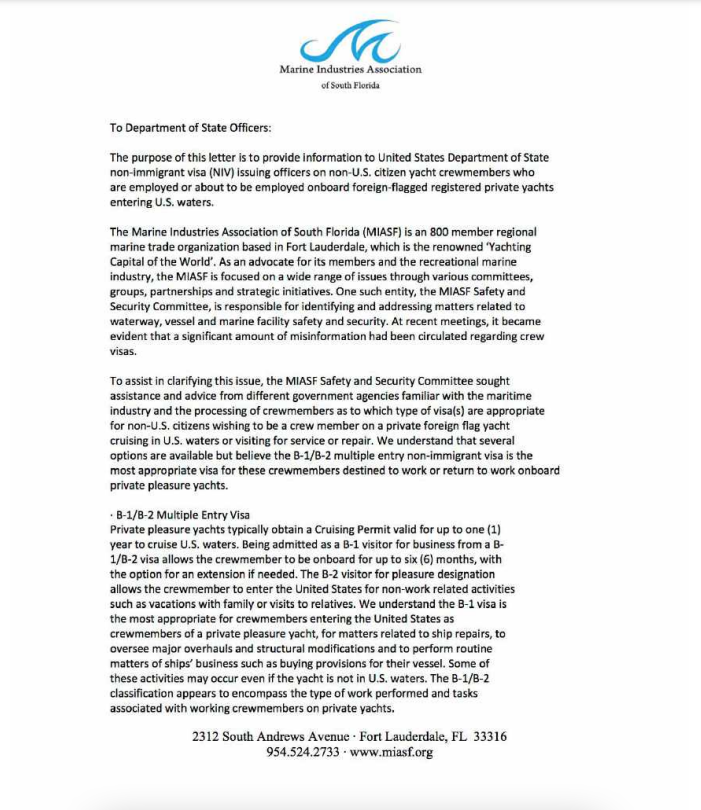
Also print and bring along this letter by the Marine Industries Association of South Florida. It is addressed to US immigration officers unfamiliar with the yachting industry, explaining why ‘B1/B2’ is the most appropriate class of visa for yacht crew.
Actual possession of a valid B1/B2 visa is not a guarantee of entry, as immigration officials still need to be satisfied with the purpose and length of your visit, so you should always travel to the US with the supporting documentation outlined above. Immigration officials in South Florida are used to yacht crew coming through, so denials of entry are rare here. If the boat you are joining is undergoing an extensive yard period, it helps to have a letter from the yard indicating the length of time and nature of work to be carried out. You should, of course, also check for any COVID-related restrictions prior to travel.
As ever, valid visa status and correct stamping of a passport are the bearer’s responsibility, so diarise expiry dates, keep a count of your number of days spent in the country and apply for visa renewal in good time, which you can do from six months out. The US is zero-tolerant to overstaying, so please ensure that you don’t fall foul of the authorities.
Avoid making unnecessary short trips to eg. The Bahamas or the Caribbean, as such visits may raise suspicions with immigration officials if staying on a B1 (work) visa. If the trips are work-related, carry any relevant documentation to justify your exit/re-entry.
Is ESTA a suitable alternative?
Since first publishing this article, we have been asked a number of times about using ESTA as a more-easily obtainable alternative. It can work, especially for short-stay rotational crew members, but there are limitations to bear in mind.
An ESTA would cover you for work trips of up to 90 days and, because it is multi-entry, it cancover you for trips to the Bahamas and back. Just as with the B1/B2, your employer cannot be a US entity with an ESTA. They are valid for up to two years, or until your passport expires, so the B1/B2 is obviously preferred.
There are agents and seafarers who claim that ESTA is valid only for travel via commercial aircraft or bonded vessel and cannot be used on private (or charter) yachts. There is no definitive information about this to be found on US government websites (which focus on passengers rather than crew), so we asked the US Customs and Border Protection section of theDepartment of Homeland Security for clarification. They replied thus:
“Thank you for contacting the U.S. Customs and Border Protection (CBP) Information Center.
Crew are supposed to have a B1 or B1/B2 visa to enter the US by private yacht. You have to contact the CBP port where the yacht will enter the US to ask if the crew may be allowed to re-enter after a short trip to the Bahamas if they recently entered the US by air and have a current 90 day admission period.”
In other words, you’re supposed to have a B1, but as long as you have documentation to substantiate your travel history, you should be alright. Just make sure that the boat obtains prior approval before arrival.
If you have any questions or would like our assistance with your application, please get in touch on +34 971 72 25 32 or email
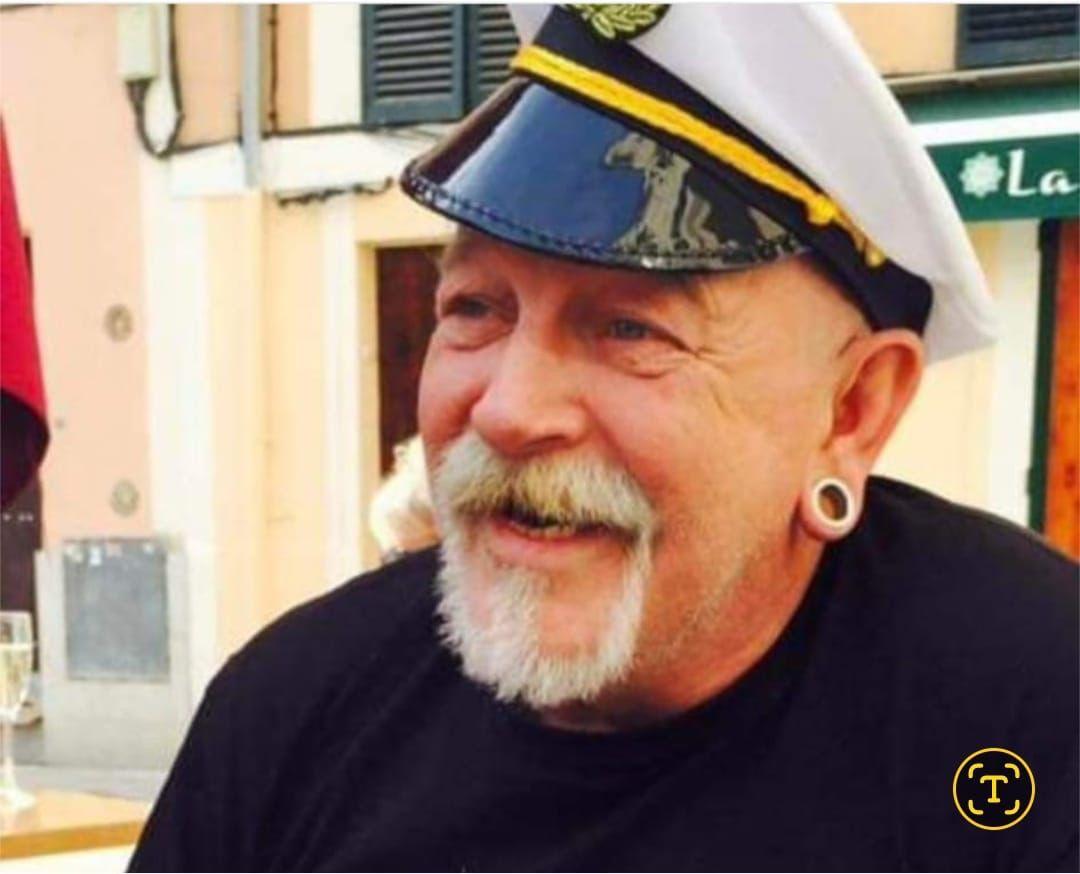
To my old friend CORNER BAR FRANK alias Francis Threw, who left for another galaxy on the 8th of September 2024.
October 8, 2024 · 2 min read
I don’t know how to reach you, Frank. I’ve been looking around, but it seems you’ve gone interstellar. I took that late flight from Barcelona, hoping to see you on Sunday. But we obviously missed each other at the airport—your last flight took off just as I landed at Son Sant Juan.
You’re probably sitting in some interstellar corner bar, listening to klingons at the next table while a giant squidfish of a bartender tries to catch your eye. I wonder what the house drink is—Moloko Plus with knives, I guess. But I’m sure you ordered that bucket of beer you always kicked back. I’ll raise a bucket of beer and think of you now and then. I miss you, man. I know it’s selfish, but it’s better than squidfish.
Old bastard!
When I visited on tuesday, you still tried to make me laugh, telling me that story about the catheter and how four nurses had to hold you down. You’ve got balls, man. By the way, greetings from Julia and the kids. She misses you too. Anyway, you two always got along better. Ha!
You’re the kind of mild person who can get hard on someone when needed. I picture you interstellar, sitting by your motorbike, calmly fixing it with a bottle of whiskey at your side, like something out of Zen and the Art of Motorcycle Maintenance. You give that steady look of yours, the one that says you know exactly what you’re doing.
I still have that workshop lamp of yours. You lent it to me two years ago, and I know it’s yours because when I plug it in, it shines.
So, I’ll let you to it. Write me if you can. I’ll be waiting. Same old address.
Give Alan a hug. Does he still wear that menjou beard? He got there earlier than you, so I’m sure he’ll show you around.
In Like Flynn. The Legend of Errol Flynn. An Article by Gregory C. Y. Piatkowski. #24/0143.
October 4, 2024 · 3 min read
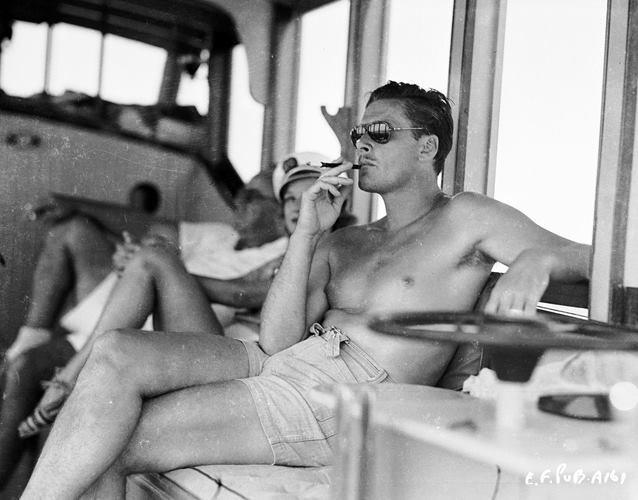
69 years ago: Errol Flynn returned to his “ZACA” in September 1955. The 118-foot schooner had been moored at the Real Club Náutico de Palma since 1952. Once a celebrated screen pirate and Robin Hood, Flynn was now a fading star in Hollywood. However, despite his decline, his charisma remained intact. Wherever Flynn went, attention followed. His reputation as a wild rogue, paired with an undeniable elegance, continued to draw people in. Even as his finances crumbled, he maintained the air of a free spirit who roamed the seas like an old buccaneer in his own realm.
Between film productions, Flynn sought refuge on his yacht in Palma’s bay. The “ZACA” wasn’t just a vessel for Flynn – it was his sanctuary, a symbol of freedom and independence. The towering sails that caught the wind reflected the adventurer’s spirit that never truly left him. On board, away from the turmoil of Hollywood, Flynn could still be the hero he once portrayed on screen.
He avoided the United States, partly due to outstanding tax debts. His fortune was embezzled by accountants, and his marriage to Patricia Wymore was in ruins. Meanwhile, his box office hits from the 1930s and 1940s were now reaching Spanish cinemas, bringing Flynn a delayed wave of fame on the Iberian Peninsula. In Spain, Flynn wasn’t just seen as an actor – he was viewed as a symbol of a bygone Hollywood era, one of romance, adventure, and heroism. In Palma, for some, he was a hero, while for others, he was a tragic figure.
Flynn was a regular at “Joe’s” on Plaza Gomila and Rudi’s “Tirol” on Calle de Apuntadores – legendary hangouts known for their raucous gatherings. His image as a playboy and womanizer overshadowed other aspects of his life, including his political convictions: Flynn had visited Spain in 1937 during the Civil War, where he commented on the conflict from the Republican side. His passion for freedom fighters resurfaced in 1958, much to Hollywood’s dismay, when he produced The Cuban Story: The Truth about Fidel Castro’s Revolution – a unique documentary of Cuba’s transformation. For Flynn, the fight for freedom wasn’t just a role – it was a deeply held belief.
In his diary entry from October 8, 1955, in Palma de Mallorca, Flynn wrote:
“(…) Favourite occupation: A prolonged bout in the bedroom.
The greatest calamity: Castration.
What would I like to be at seventy? At seventy, I confidently hope I will have had at least eight more wives, have grown a stomach that I can regard with respect, and still be able to walk upstairs to the bedroom without aching or groaning.”
This mix of humor and melancholy reveals Flynn’s self-awareness about his fading youth and vitality. While he joked about future wives and a “respectable” belly, there’s an underlying fear of the physical decline of a man once known for his vitality and presence. The adventurer who had conquered Hollywood was now facing the inevitable signs of aging.
On October 14, 1959, while negotiating the sale of his beloved “ZACA” in Vancouver, Errol Flynn died of a heart attack at the age of 50. Even in his final years, he remained a figure of fascination, with his life oscillating between legendary escapades and quiet, personal struggles.
Monk Seals: A Lost Mediterranean Legacy. An Article by Gregory C. Y. Piatkowski. #24/0139.
October 2, 2024 · 2 min read
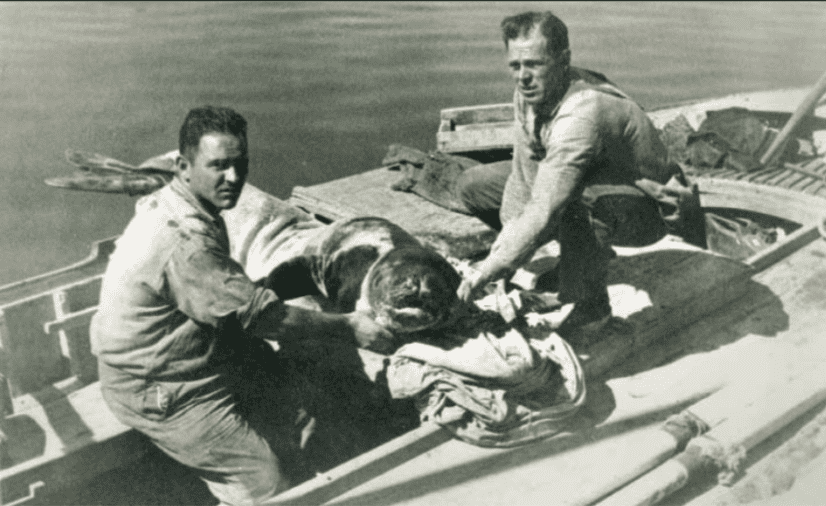
66 years ago in April: In Cala Tuent, the Guardia Civil killed what was likely the last Mediterranean monk seal (Monachus monachus) on Mallorca. These marine mammals once populated the entire coasts and islands of the Mediterranean as part of a balanced ecosystem. This balance shifted with the territorial expansion of another predator: humans. As early as Homer, Plutarch, and Aristotle, the seal was mentioned in ancient writings. Its fur, fat, and meat were highly prized, and due to its trusting nature, the animal was easy to hunt. The fall of the Roman Empire in the 5th century initially halted its early extinction in the western Mediterranean. Along Mallorca’s coasts, pirate raids discouraged human settlement for centuries, while the seals used these areas undisturbed as natural breeding grounds, and their colonies flourished. The end of piracy in the 19th century also marked the end of the monk seal colonies on Mallorca. Fishermen increasingly settled the coasts, and fishing became a thriving industry. The monk seal, which feeds exclusively on fish and mollusks, became a bitter enemy of the fishermen: it stole their easy catch and tore apart their fishing nets. The people of that time saw the seal as a pest that needed to be exterminated. Archduke Ludwig Salvator described their hunting by the islanders in 1870: “Let us consider seal hunting. Normally, you would encounter two, four, or five monk seals, swimming and playing in the water for a while, until one of them crawls onto the shore. At that moment, the hunter fires. Sometimes the animal dies instantly, but at other times it can escape into the sea; the hunter must be prepared for this and close the entrance to the cave with a strong net… the seal lifts its body out of the water, and at that moment the hunter shoots it again… They also catch the monk seal with a strong hook tied to a durable rope.”
On the North African coast and in the Greek Aegean, some colonies have survived to this day. On the Balearic Islands, however, the “Vellmarí” is considered extinct. All monk seals…? In 2008, a diver spotted one near El Toro in the southwest of Mallorca. However, marine biologists believe it was an African individual that had migrated.